.png)

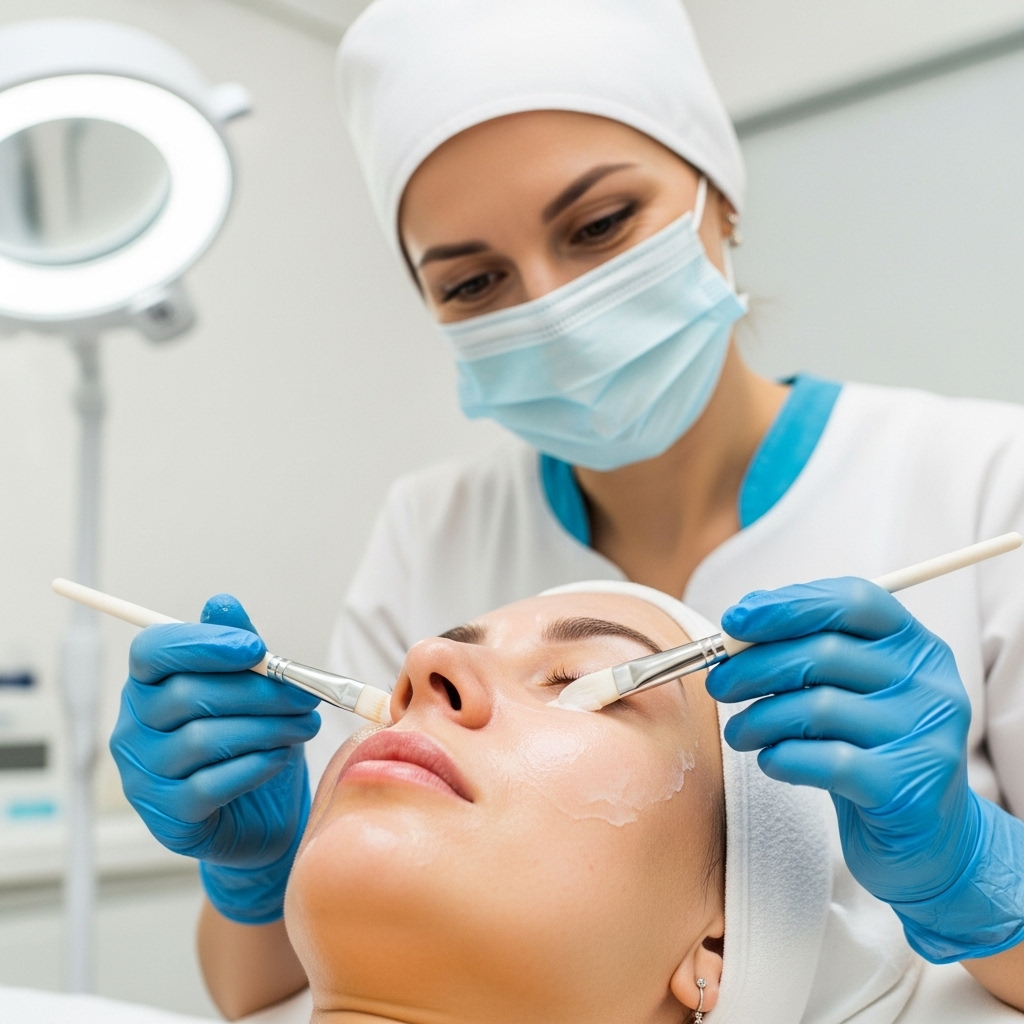
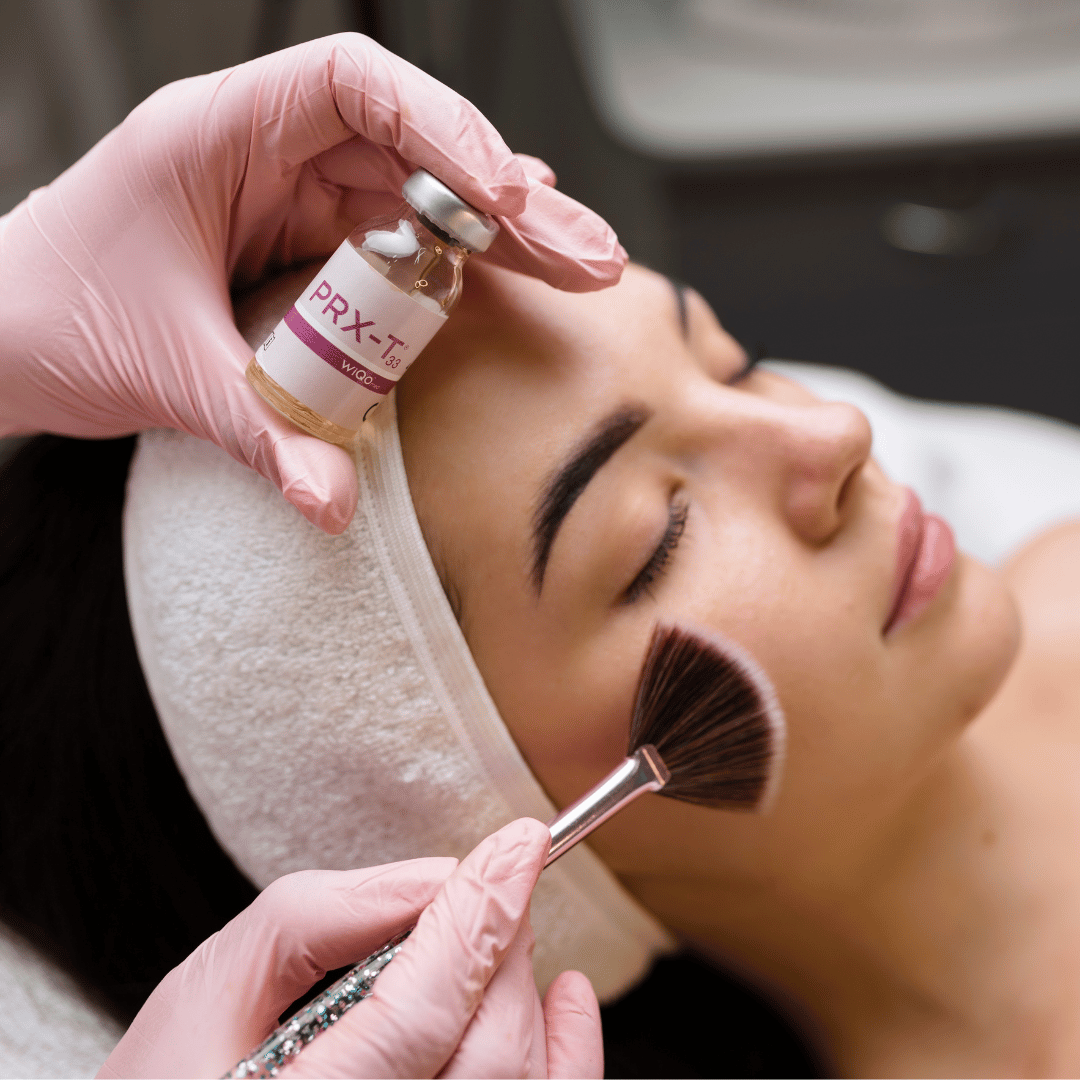
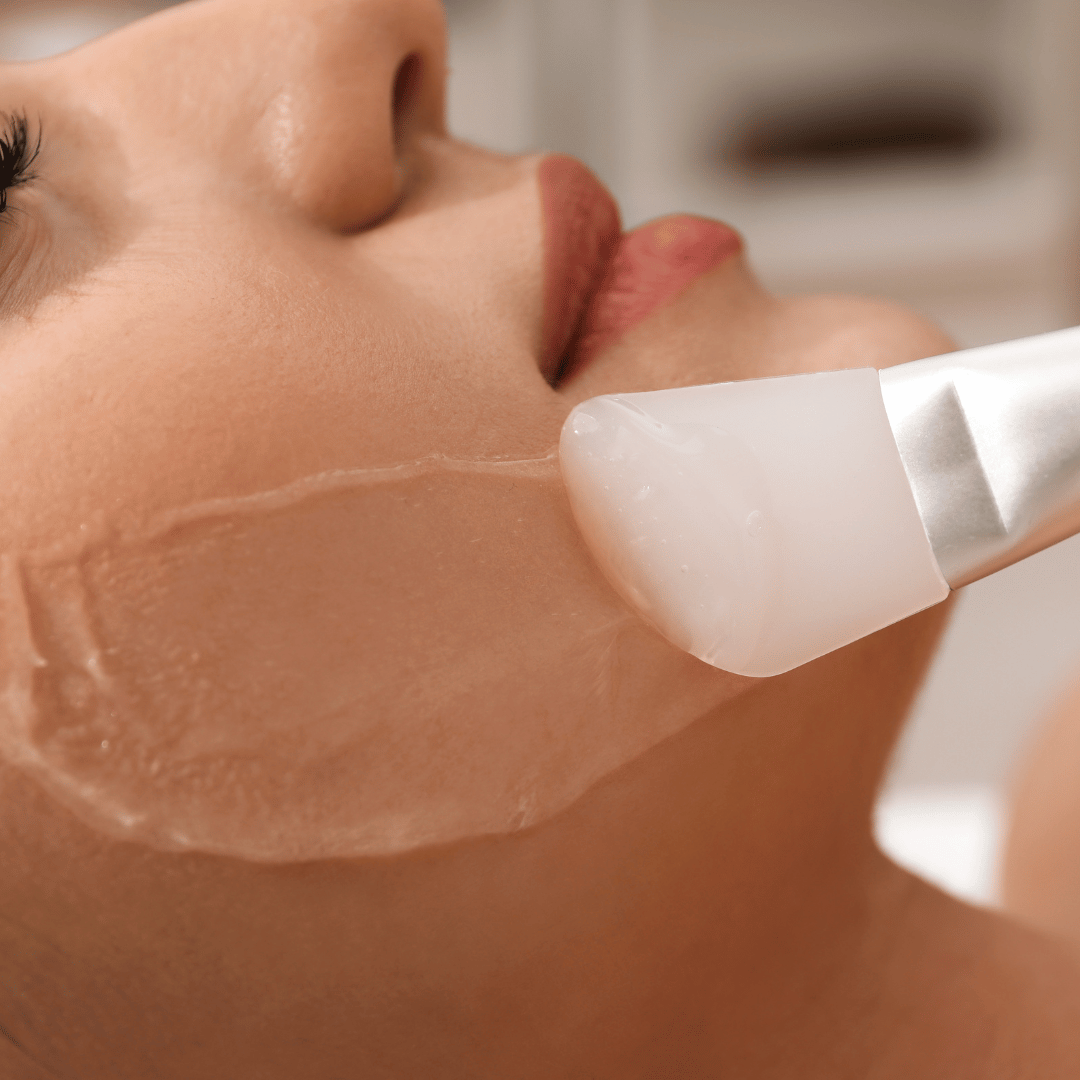
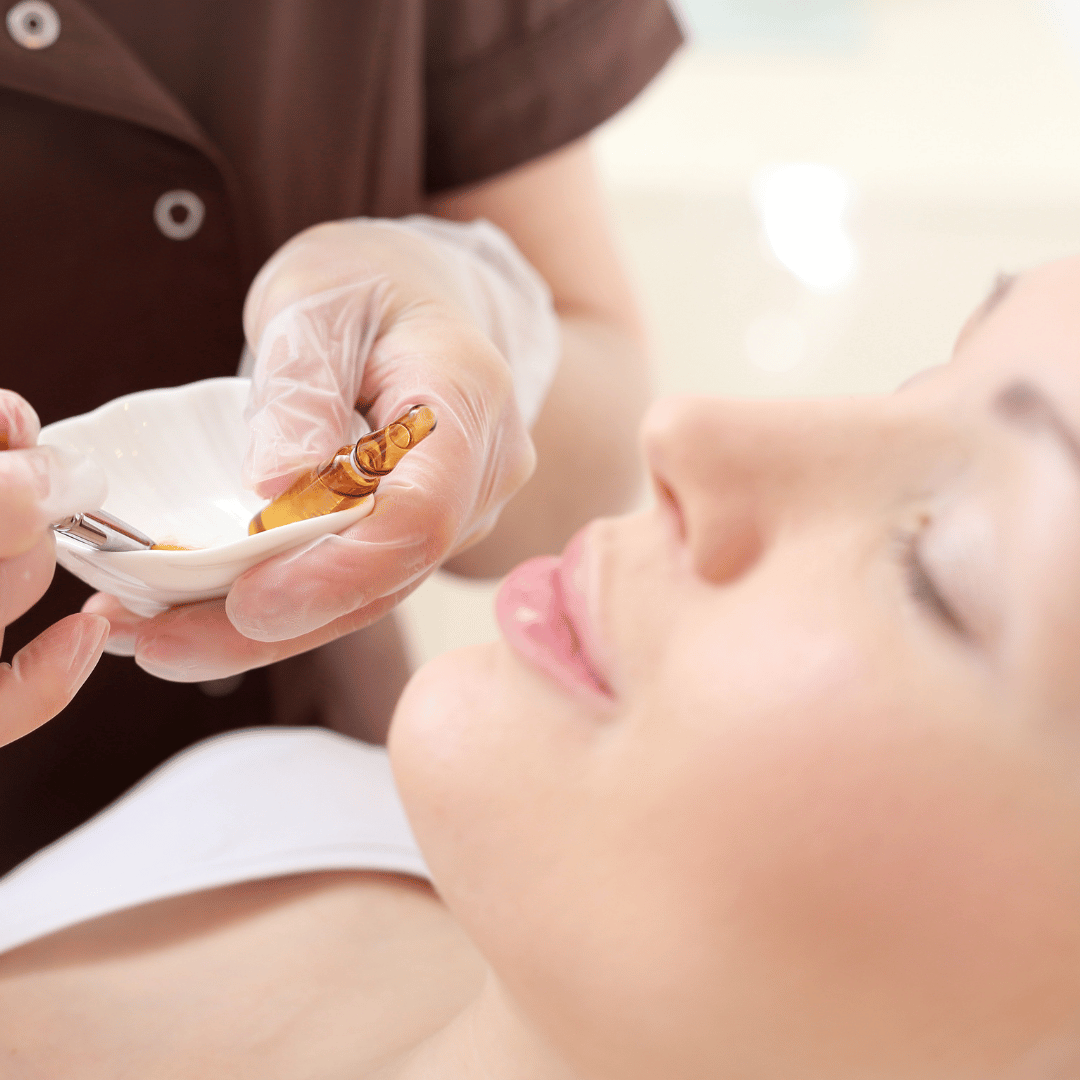
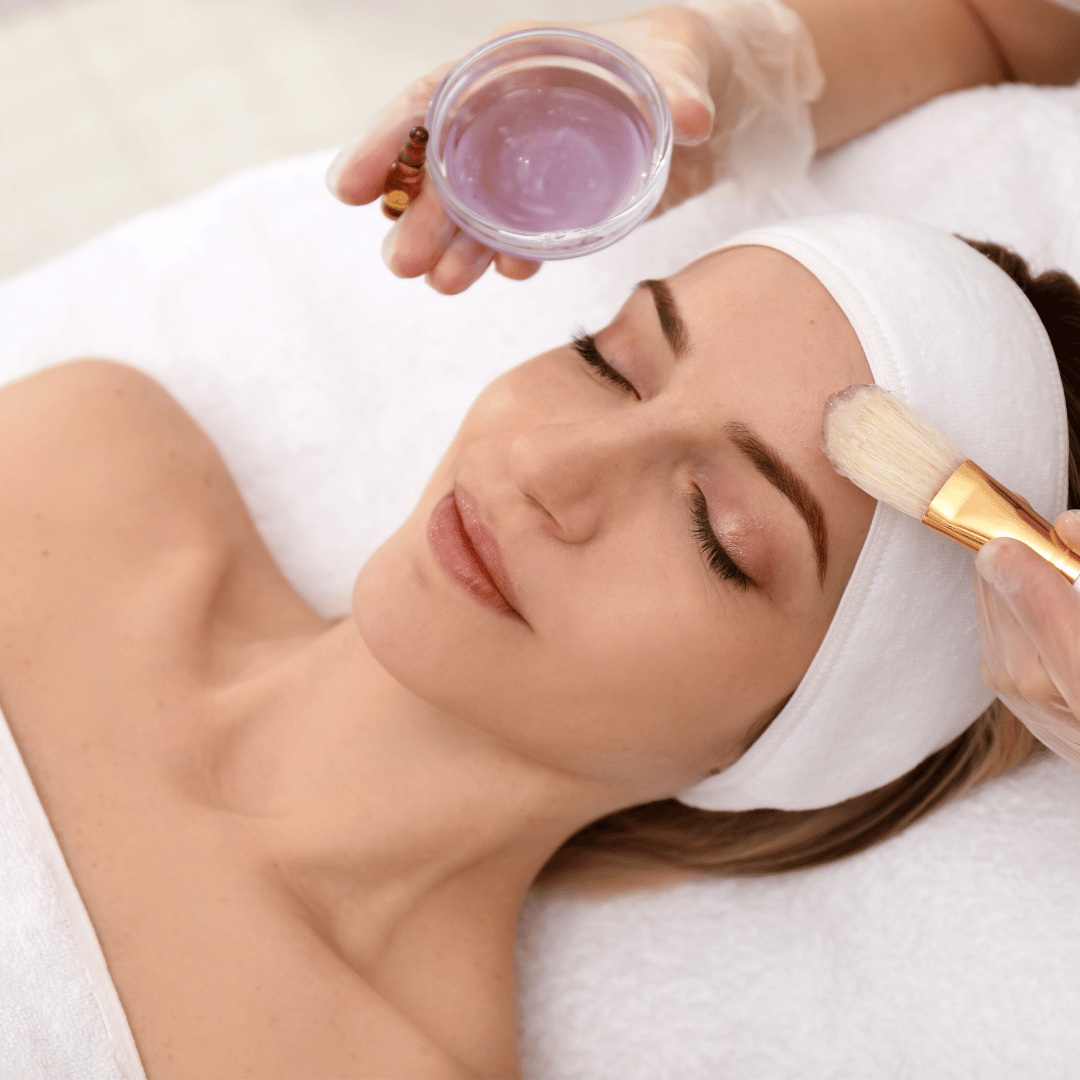
A chemical peel is a cosmetic procedure that involves applying a chemical solution to the skin to remove its outermost layers. This controlled exfoliation reveals newer, smoother, and often more youthful-looking skin underneath.
Chemical peels offer a wide range of benefits for various skin concerns:
Reveals smoother, softer skin and a more uniform complexion.
Especially effective for dynamic wrinkles and fine lines caused by sun damage and aging.
Helps to unclog pores, reduce breakouts, and diminish the appearance of superficial acne scars.
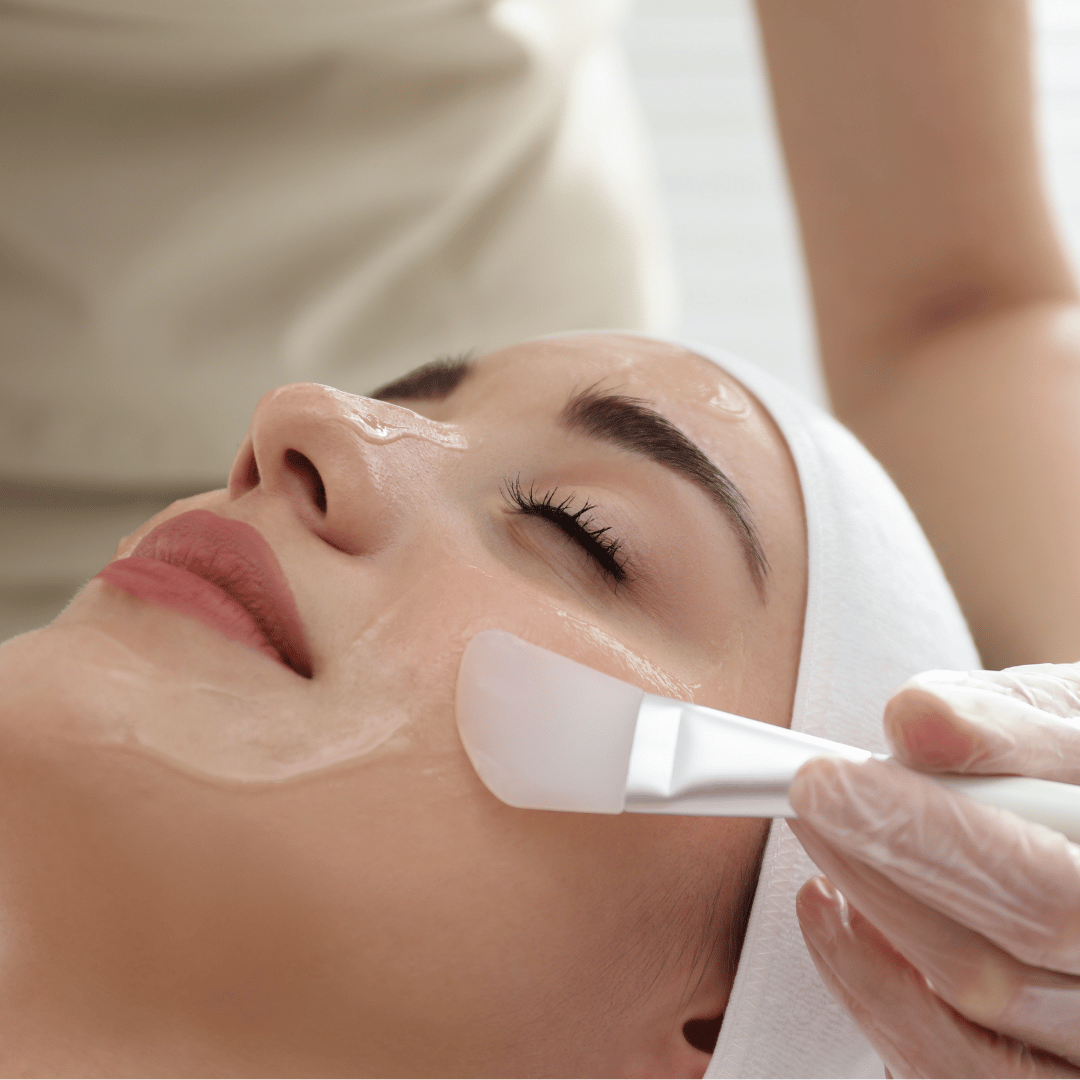
Fades dark spots, sunspots, age spots, melasma, and other forms of discoloration.
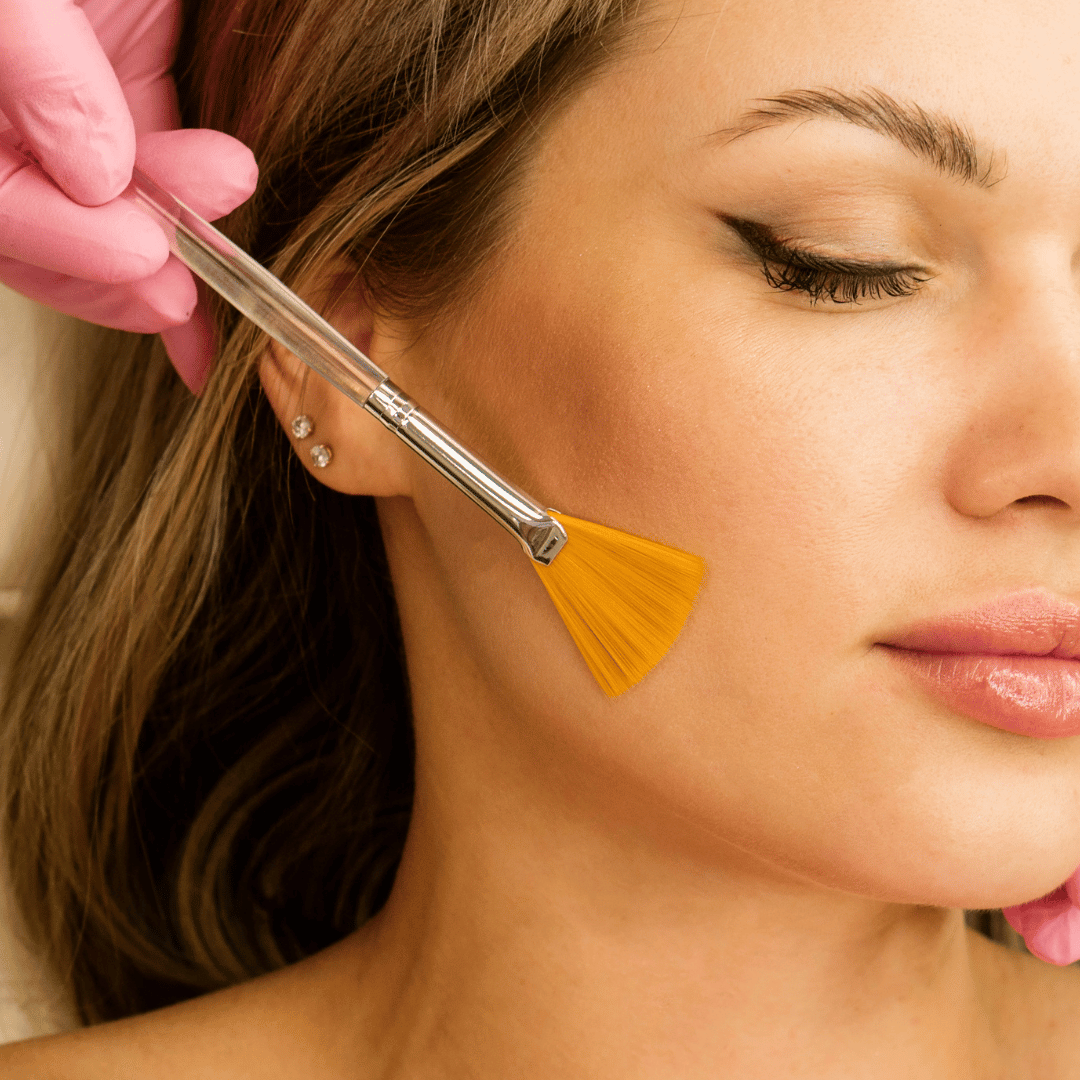
By removing debris and excess oil, pores can appear smaller.
Stimulates the body’s natural collagen and elastin synthesis, improving skin elasticity and firmness.
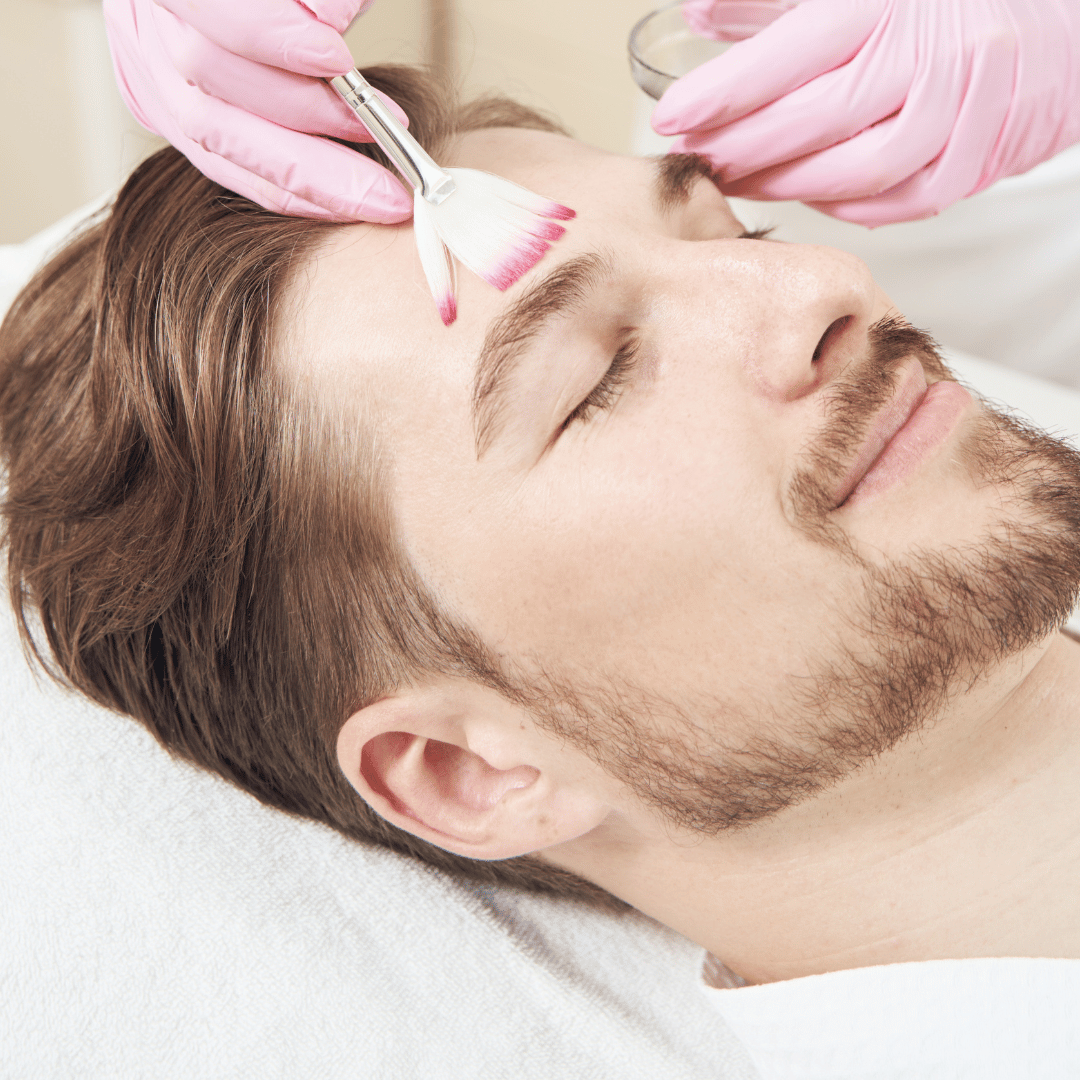
After a peel, skincare products can penetrate more effectively, maximizing their benefits.
Can help with rosacea, actinic keratosis (precancerous lesions), and overall sun damage.
Achieving clearer, healthier-looking skin can significantly improve self-esteem.
The chemical solution creates a controlled “injury” to the skin. This triggers the body’s natural healing process, leading to the regeneration of new skin cells and increased collagen production. As the old, damaged skin peels away, it’s replaced by fresh, healthier skin with an improved texture and tone.
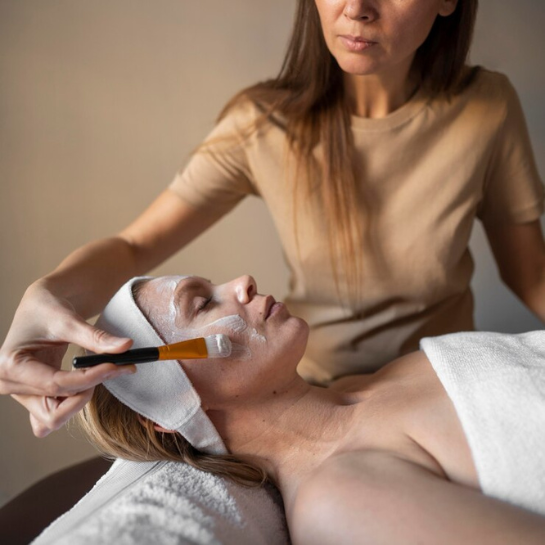
A chemical peel is a cosmetic procedure that involves applying a chemical solution to the skin to remove its outermost layers. This controlled exfoliation reveals newer, smoother, and often more youthful-looking skin underneath.

- What it does: Removes only the outermost layer of skin (epidermis).
- Common ingredients: Alpha-hydroxy acids (AHAs) like glycolic acid, lactic acid, or mild salicylic acid.
- Used for: Fine lines, mild acne, uneven skin tone, dryness, and to refresh the complexion.
- Downtime: Minimal to none, often called a "lunchtime peel." Skin may be red and slightly flaky for a few days.
- Frequency: Can be done every 2-5 weeks for best results.
- What it does: Removes skin cells from the epidermis and the upper part of the dermis (the middle layer of skin).
- Common ingredients: Trichloroacetic acid (TCA), sometimes in combination with glycolic acid.
- Used for: Wrinkles, acne scars, age spots, freckles, moderate skin discoloration, and some precancerous growths (actinic keratosis).
- Downtime: Typically 5-7 days or more. Skin will be red, swollen, and may form blisters that crust and peel.
- Frequency: May be repeated every 6-12 months if necessary.
- What it does: Penetrates deep into the middle layer of skin (dermis).
- Common ingredients: Phenol (carbolic acid).
- Used for: Deeper wrinkles, extensive sun damage, deep acne scars, blotchy skin, and precancerous growths.
- Downtime: Significant, usually 2-3 weeks, with redness potentially lasting for months. This procedure often requires sedation and monitoring.
- Frequency: Generally a one-time treatment for the face due to its intensity.
.png)
Get the latest news and updates from Essential Aesthetic


.png)
.webp)